When it comes to selecting the right materials for bespoke gates and timber services, the choice of wood is crucial. At DFC Bespoke Gates and Timber Services, we prioritize quality, durability, and aesthetics in our projects. This leads us to favor Douglas Fir and Larch over tanalised spruce and other lower-quality materials. Here’s a detailed exploration of why these choices are made.

1. Durability and Strength
Douglas Fir is renowned for its exceptional strength-to-weight ratio. It has a high bending strength, making it ideal for structures that require resilience against heavy loads or stress. Similarly, Larch is known for its toughness and resistance to wear, which makes it suitable for outdoor applications where exposure to the elements is a concern.
In contrast, tanalised spruce, while treated to resist rot and decay, does not possess the same inherent strength as Douglas Fir or Larch. This means that while it may be cheaper upfront, it could lead to higher costs in the long run due to potential replacements or repairs.
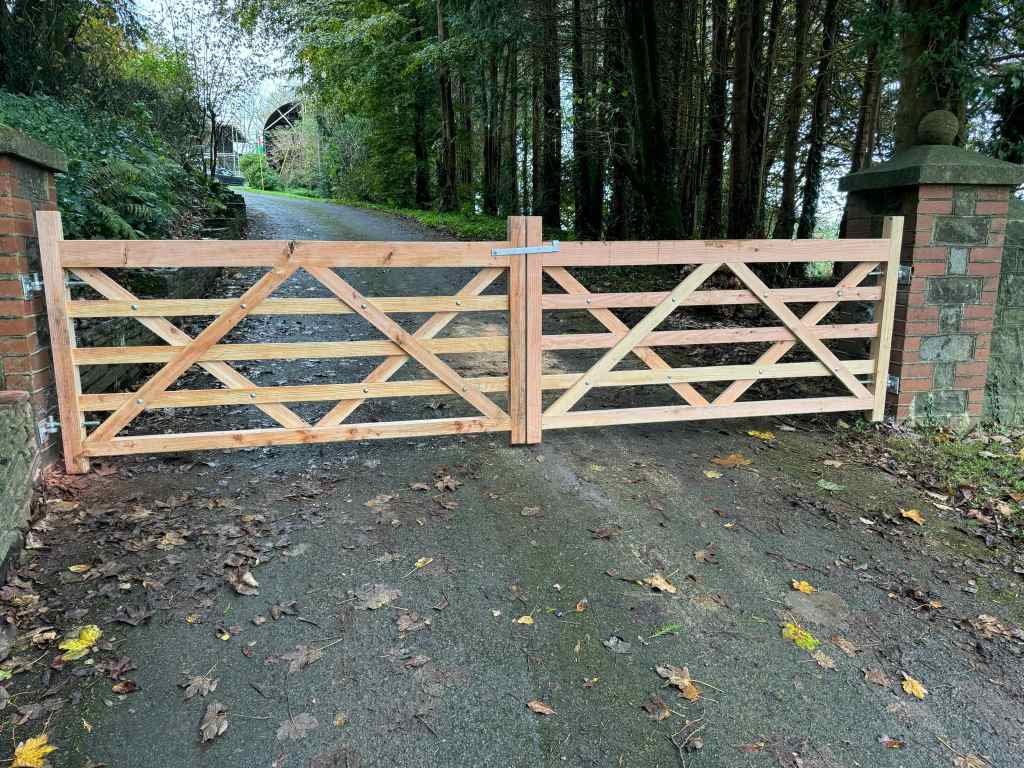
2. Natural Resistance to Decay
Both Douglas Fir and Larch have natural properties that make them more resistant to decay compared to many other softwoods including tanalised spruce. Larch contains natural oils that provide excellent resistance against moisture absorption, which helps prevent rot. Douglas Fir also has a degree of natural resistance due to its dense grain structure.
Tanalised spruce is treated with preservatives; however, this treatment can wear off over time or may not penetrate deeply enough into the wood fibers. As a result, untreated areas may become susceptible to decay after prolonged exposure to moisture.
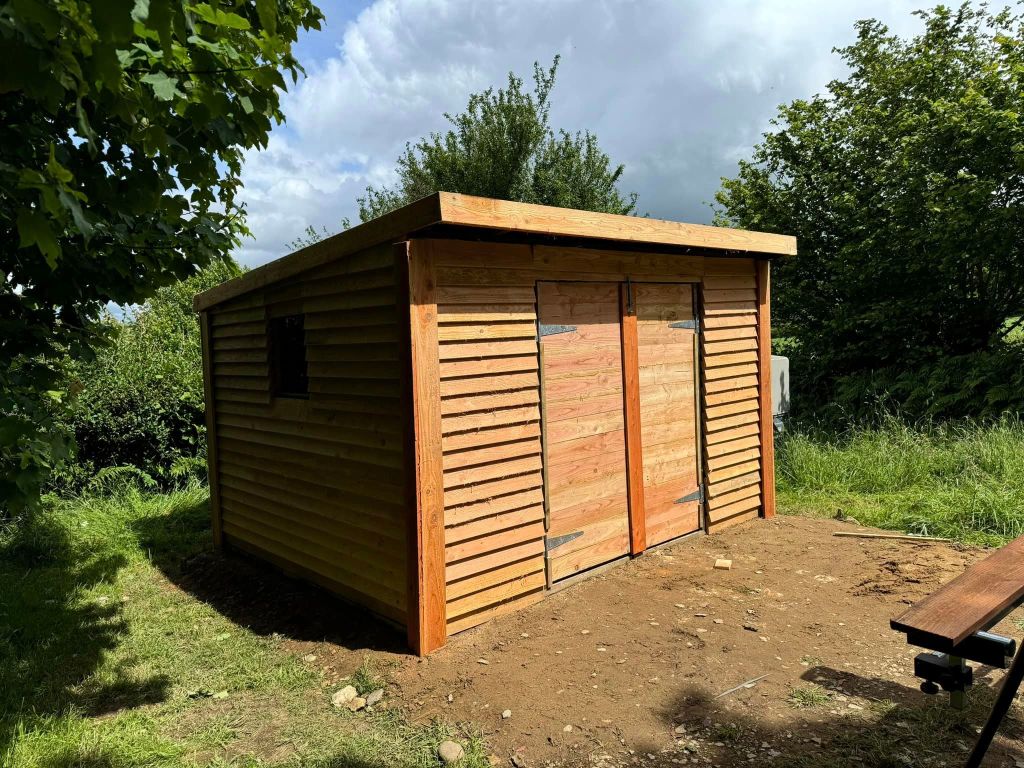
3. Aesthetic Appeal
Aesthetics play an important role in any bespoke project. Douglas Fir offers a beautiful grain pattern with rich color variations ranging from light yellowish-brown to deep reddish-brown hues. This makes it an attractive choice for gates that need both functionality and visual appeal.
Larch also boasts a unique appearance with its warm tones and distinctive grain patterns. These aesthetic qualities can enhance the overall look of any property.
On the other hand, tanalised spruce tends to have a more uniform appearance that lacks character compared to these higher-quality woods. For bespoke projects where individuality matters, using premium materials like Douglas Fir and Larch ensures that each piece stands out.
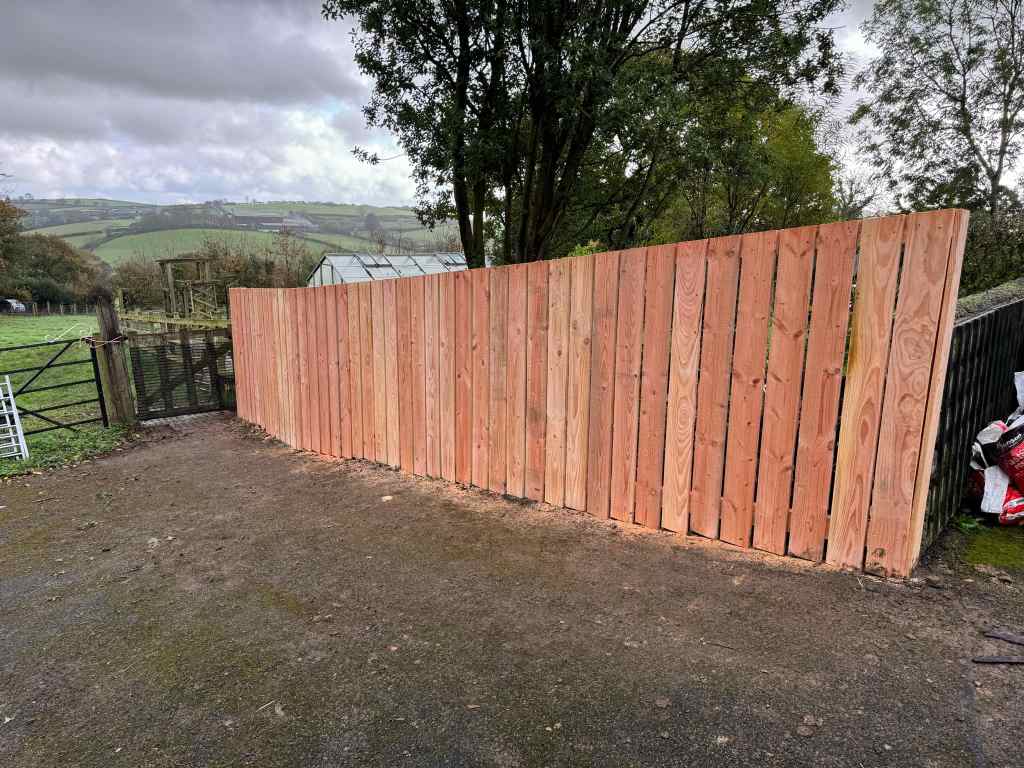
4. Environmental Considerations
Sustainability is increasingly becoming an important factor in material selection. Both Douglas Fir and Larch are sourced from responsibly managed forests in North America and Europe respectively. These species are often harvested under sustainable practices that ensure forest health is maintained.
While tanalised spruce can also be sourced sustainably, the chemical treatments used during processing raise concerns about environmental impact over time as they can leach into surrounding soil or water systems if not disposed of properly.

5. Long-Term Cost Efficiency
Although Douglas Fir and Larch may come at a higher initial cost compared to tanalised spruce or other lower-quality materials, their durability means they often last significantly longer without needing replacement or extensive maintenance. This longevity translates into better value over time as homeowners save on repair costs associated with weaker materials.
In conclusion, when choosing materials for bespoke gates and timber services at DFC Bespoke Gates & Timber Services, we prioritize quality by opting for Douglas Fir and Larch over tanalised spruce or other cheaper alternatives due to their superior durability, natural resistance to decay, aesthetic appeal, environmental sustainability practices involved in their sourcing, and long-term cost efficiency.
 dfcbts.uk
Leave a comment