
As autumn approaches, it’s the perfect time for homeowners and landscape enthusiasts to consider sustainable landscaping practices that not only enhance the beauty of their outdoor spaces but also contribute positively to the environment. At DFC Bespoke Landscape and Design, we believe in creating landscapes that are both aesthetically pleasing and ecologically responsible. Here are several sustainable landscaping practices you can implement this autumn.

1. Plant Native Species
One of the most effective ways to promote sustainability in your landscape is by planting native species. Native plants are adapted to the local climate and soil conditions, requiring less water and maintenance than non-native species. They also provide essential habitats for local wildlife, including pollinators like bees and butterflies. In autumn, consider planting perennials that will thrive in your region, ensuring they are well-suited for the upcoming winter months.
2. Implement a Rain Garden
Autumn is an excellent time to create a rain garden, which helps manage stormwater runoff while providing a beautiful focal point in your landscape. A rain garden is designed to capture rainwater from roofs, driveways, and other impervious surfaces, allowing it to infiltrate into the ground rather than flow into storm drains. This practice not only reduces erosion but also filters pollutants from runoff before they reach local waterways.
3. Mulching
Applying mulch in your garden beds during autumn serves multiple purposes: it conserves moisture, suppresses weeds, regulates soil temperature, and adds organic matter as it decomposes. Choose organic mulches such as wood chips or shredded leaves that will break down over time and enrich the soil. Additionally, mulching around trees and shrubs can protect their roots during colder months.
4. Composting Leaves
Instead of raking leaves into bags for disposal, consider composting them. Leaves are rich in carbon and make an excellent addition to compost piles or bins when mixed with nitrogen-rich materials like kitchen scraps or grass clippings. Composting not only reduces waste but also produces nutrient-rich soil amendments that can be used throughout your garden.
5. Reduce Lawn Area
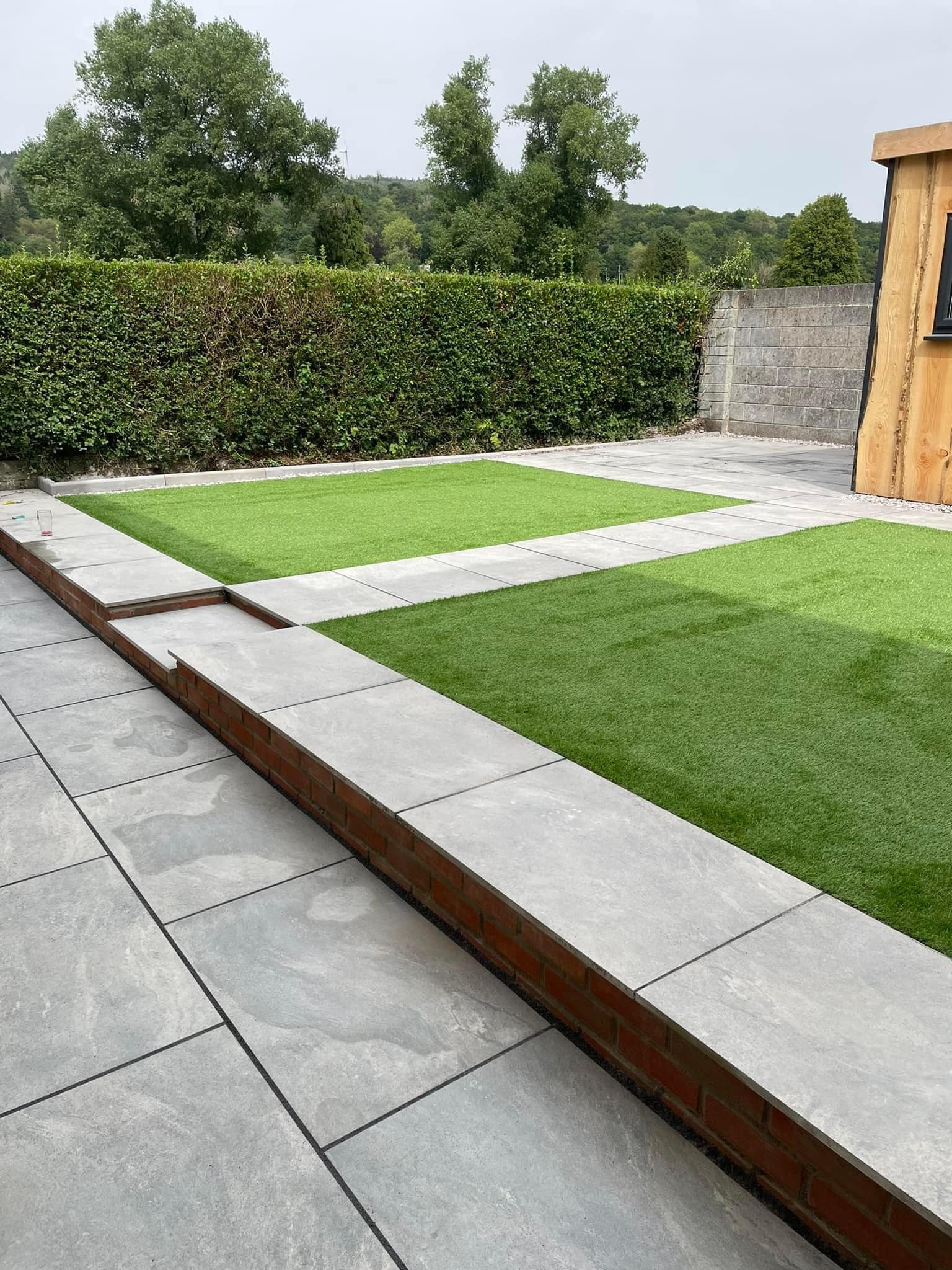
Autumn is a great time to reassess your lawn area and consider reducing its size in favor of more sustainable landscaping options such as flower beds or ground covers. Lawns require significant resources for maintenance—water, fertilizers, and mowing—so replacing portions with native plants or xeriscaping can lead to lower water usage and reduced chemical inputs.
6. Prepare Your Soil
Healthy soil is fundamental to sustainable landscaping practices. As you prepare your garden for winter, take the opportunity to test your soil’s pH and nutrient levels using a home testing kit or by sending samples to a local extension service. Based on the results, amend your soil with organic matter like compost or well-rotted manure to improve its structure and fertility.
7. Install Drip Irrigation Systems
If you haven’t already done so, consider installing drip irrigation systems this autumn for efficient watering next spring and summer. Drip irrigation delivers water directly to plant roots where it’s needed most while minimizing evaporation losses—a crucial factor in sustainable gardening practices.
8. Create Wildlife Habitats
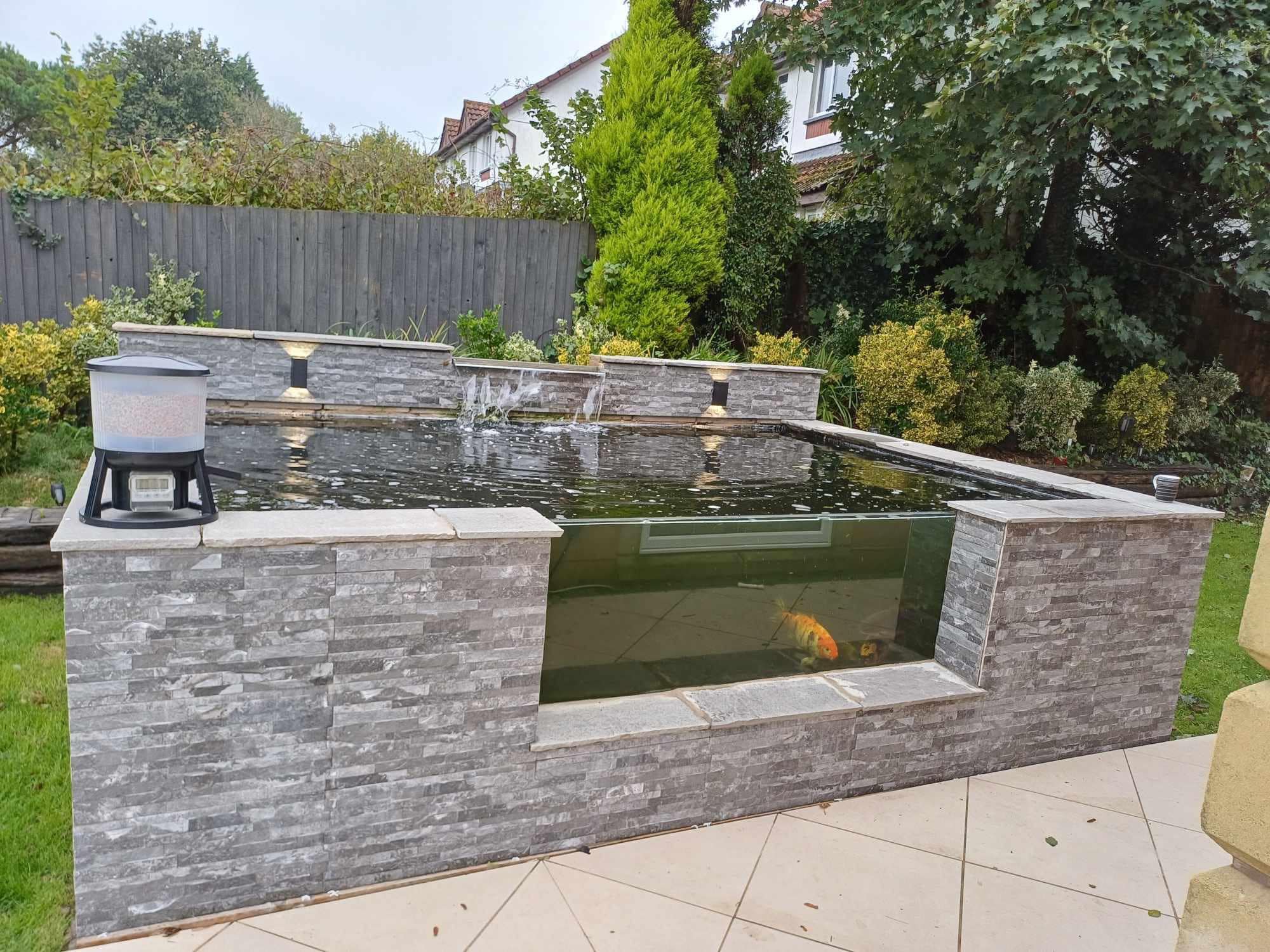
Autumn is an ideal time to enhance your landscape by creating habitats for wildlife such as birds, insects, and small mammals. You can do this by incorporating features like birdhouses, bee hotels (for solitary bees), or even leaving some areas of your yard wild with native grasses and wildflowers that provide food sources through the fall season.
By implementing these sustainable landscaping practices this autumn at DFC Bespoke Landscape and Design, you’ll not only create a stunning outdoor space but also contribute positively towards environmental conservation efforts.
 dfcbts.uk
Leave a comment